EN
 MK

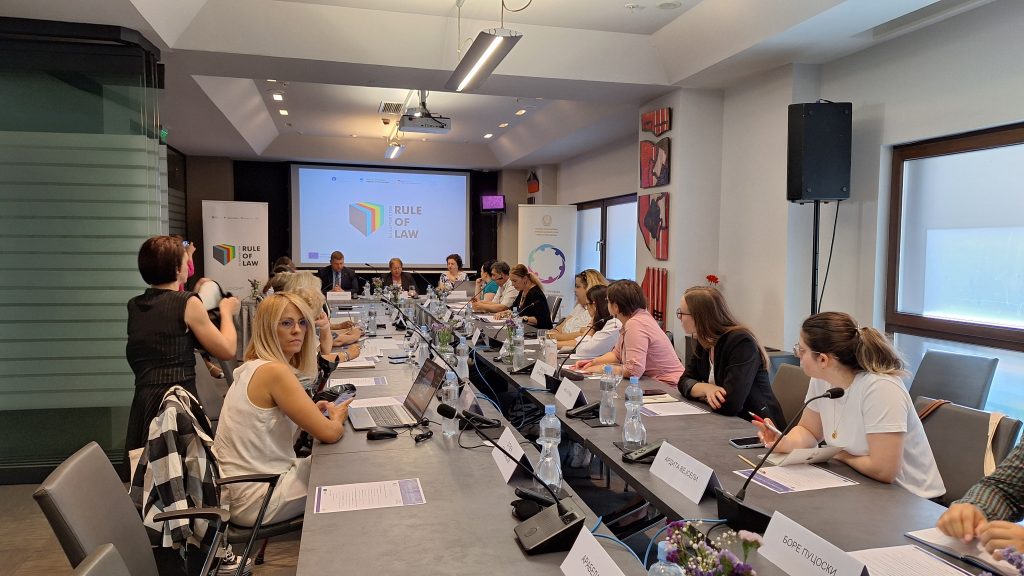
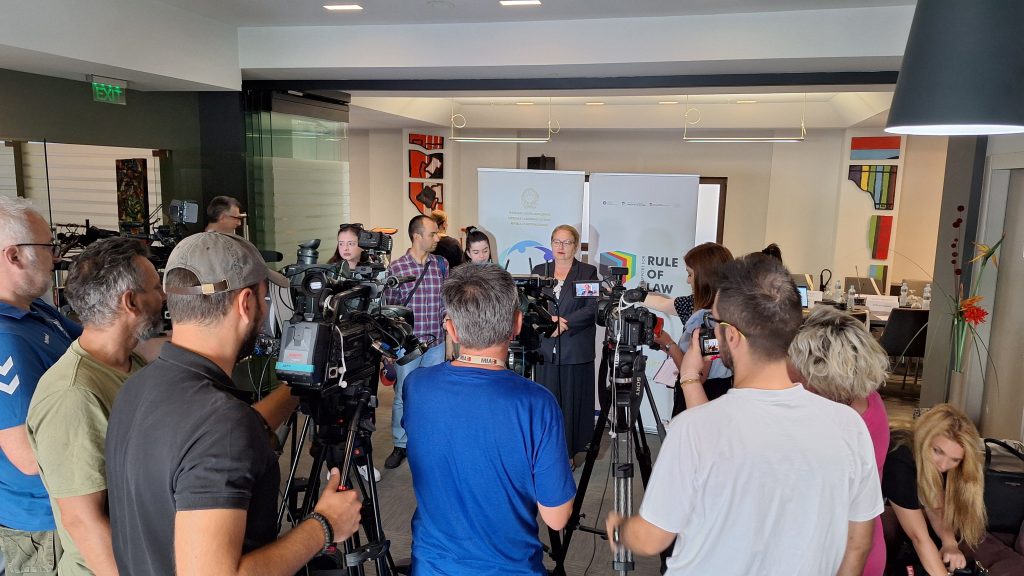
The Commission for Prevention and Protection against Discrimination (CPPD) and the project “EU Support for Rule of Law”, funded by the European Union, are hosting the first edition of “Equality Talks” on the topic of “Inclusive Education” today, in Skopje. Through this annual event, the CPPD aims to create an open space for broad dialogue on larger, systemic, or structural issues that this body has identified as key challenges to equality and non-discrimination in the country.
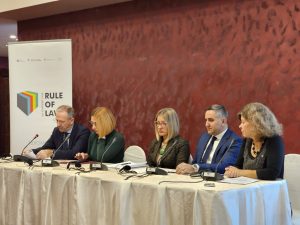
The event was opened by Igor Jadrovski, President of the Commission for Prevention and Protection against Discrimination, Vesna Janevska, Minister of Education and Science, and Barbara Liegl, Leader of Component 4 of the “EU Support for Rule of Law” project.
In his address, Igor Jadrovski, president of the Commission for Prevention and Protection against Discrimination, emphasized that education is one of the key strategic areas of the Commission. “Only through inclusive and quality education can we prevent the creation of stereotypes and prejudices from an early age and work on building a more equal and fair society, free from discrimination. Through the previous work of the Commission for Prevention and Protection against Discrimination, several serious systemic problems and discriminatory practices in primary and secondary education have been detected. The judgment of the European Court of Human Rights in the case of Elmazova and others against R.N. Macedonia, in which the Court refers to the opinion and amicus curiae submission of the Commission, best shows the still existing systemic segregation of Roma students in primary education. The segregation, discrimination and harassment of a student with Down syndrome in the primary school in Gostivar strongly emphasizes the need for the promotion and improvement of inclusive education in primary schools. The lack of educational assistants in secondary schools for students with special educational needs indicates an urgent need for amendments to the legal regulation.
The most recent case of bullying, discrimination, harassment, and victimization based on a student’s sexual orientation at a secondary school in Veles highlights the importance of preventing discrimination in secondary schools as well as sensitizing teaching and technical staff. I genuinely hope that with the new minister, we can strengthen the interaction between the Commission for Prevention and Protection Against Discrimination and the Ministry of Education, which has not been very fruitful thus far. The Ministry has a partner in the Commission for implementing systemic changes in terms of prevention and protection against discrimination and promoting the principle of equality in education. For this purpose, we are available and expect to be included in the existing working groups for the most strategic laws in the field of education, such as the Law on Primary Education, the Law on Secondary Education, and the Law on Textbooks for Primary and Secondary Education. The Ministry can count on the Commission to undertake structural improvements aimed at preventing and protecting against discrimination, as well as promoting the principle of equality in education. We are available for this purpose and hope to be included in the existing working groups on the most important educational laws, such as the Law on Primary Education, the Law on Secondary Education, and the Law on Primary and Secondary Education Textbooks.
Only with joint forces and inter-institutional cooperation can we create a society more equitable and inclusive for future generations. The Minister of Education and Science, Vesna Janevska, confirmed that the Ministry of Education and Science will work on the promotion of inclusive education, which is also a part of the Government’s program. “I will personally advocate that children with special educational needs are not identified with their diagnosis, but with the potential they have developed with the help of education. We all understand the complexity of inclusive education. Therefore, gradually, and with firm commitment and teamwork, based on a complete understanding of the functioning of inclusive education, we will bring concrete solutions, about which the public will be transparently and promptly informed. In this process, our first partner will be the parents, who in the past period, on every occasion, clearly said that they do not expect pity from the state, but concrete support to ensure their children’s progress. The policies that turned education from an opportunity into an obstacle to the progress of these children must not continue. That’s why we will include the practitioners-teachers, professional services, and educational assistants, we have specialized institutes, and together we can build a better-quality inclusive education”.
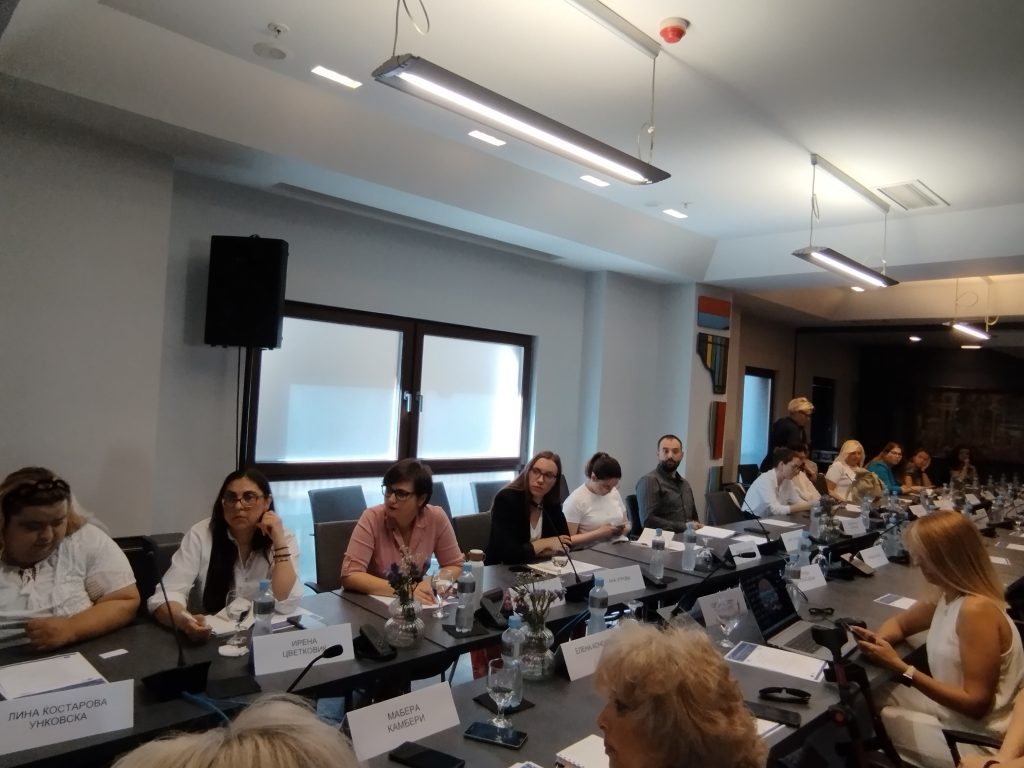
The two detailed presentations by international experts, two panels with representatives from domestic institutions, non-governmental organizations, university professors, and educators, and two sessions focusing on the work of the Commission, enabled the participants to discuss the biggest challenges to the inclusiveness of education through the prism of equality and non-discrimination, including challenges for the realization of the right to education and persons with disabilities, Roma, LGBTIQ persons, as well as gender-sensitive education. The event was attended by representatives of national institutions, non-governmental and international organizations, as well as educational workers.