EN
 MK
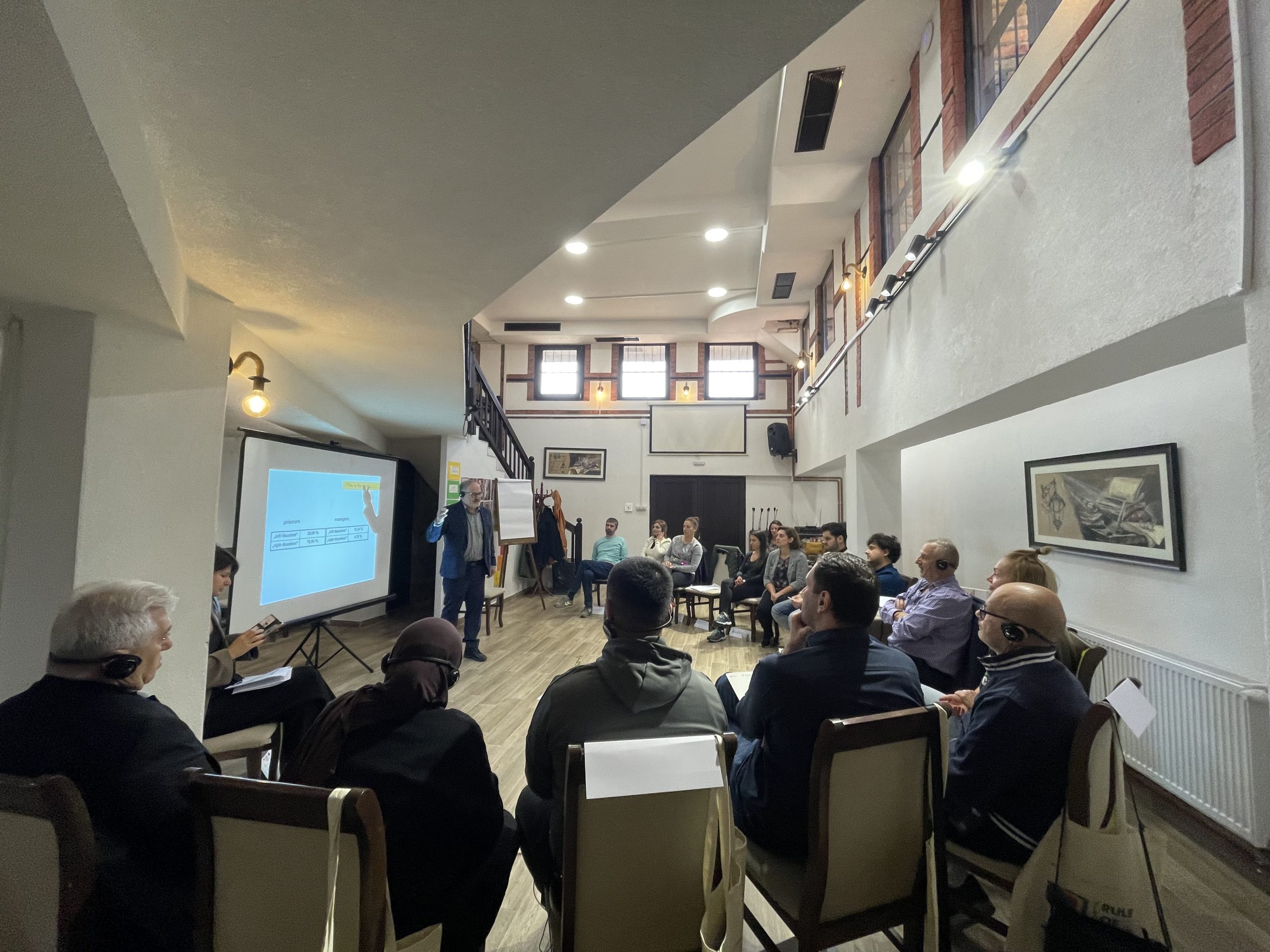
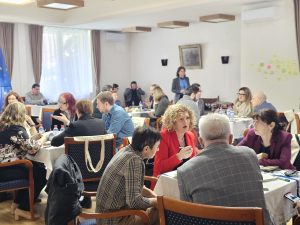
In October, Component 4: Fundamental & Human Rights of the project „EU Support for Rule of Law“ kicked-off the training of trainers’ programme “The Art of Training and Participatory Facilitation for the Prevention of Discrimination and Promotion of Equality”. The programme consists of four three-day modules, targets the staff of key institutions with human rights competences – the Commission for Prevention and Protection against Discrimination (CPPD), Ministry of Labour & Social Policy (MLSP) and Ombudsman Office (OO). They are given the opportunity to gain knowledge and skills for raising awareness of equality and non-discrimination issues.
Irina Aceska, participant in the training and representative of the OO, had a strong feeling that the participants’ “awareness about discrimination has been raised and that they are ready to raise the awareness of others”. The participants are supported in developing skills for becoming strong allies of people who have experienced discrimination and to advocate for their rights. Aceska, who works on the protection of the rights of sentenced prisoners, said that the participants “have gained experience and practice in how to approach a group that feels discriminated against, for whom the participants were previously not aware that they were encountering discrimination”.
The programme also equips its participants with a practice oriented tool-kit of methodologies to raise awareness for discrimination. Aceska implements trainings targeting different kinds of employees of prison facilities, and appreciated the methodologies experienced: “I train all different kinds of employees of prison facilities. I will transpose some of the exercises into my work context or will directly apply exercises used in the training of the trainers. The exercises will be valuable to convey values the employees of prison facilities should adhere to”.
The methodology of the training of trainers follows the standards of human rights education and focuses on an experiential and participatory learning approach to ensure engagement, commitment, and sustainability. The trainers Karin Bischof, Biljana Kotevska and Dieter Schindlauer applied training and facilitation methods that have been internationally field-tested. “The capabilities and skills of the trainers to deliver the training in a simple, relaxed and at the same time very focused way of conveying knowledge” were appreciated by Irina Aceska. She emphasised that she would like to have more trainings like this one and that she is very much looking forward to the next modules.